A good fall garden cleanup is about doing less, but doing the right things. Pull diseased and spent annual vegetables, leave healthy perennial seed heads for birds, shred leaves into mulch, and add 2 to 3 inches of mulch once the ground cools. Finish 2 to 4 weeks before your first hard freeze, and empty hoses and clean tools before the ground freezes.
Fall garden cleanup has a reputation as a long weekend of raking and bagging everything in sight. In reality, a lot of that work is optional, and some of it does more harm than good.
The goal is simple: stop diseases and pests from overwintering, feed the soil, protect what is coming back next year, and make spring planting easier. Here is the checklist we follow, in the order that makes sense.
When to start your fall garden cleanup
Start when summer crops are finished and nights regularly drop below about 50°F (10°C). Aim to be mostly done 2 to 4 weeks before your first hard freeze, when the ground is still workable.
| Region | Typical cleanup window | First hard freeze (average) |
|---|---|---|
| USDA zones 3 to 4 | Mid September to early October | Late September to early October |
| USDA zones 5 to 6 | October | Mid October to early November |
| USDA zones 7 to 8 | Late October to November | November to early December |
| USDA zones 9 to 10 | November to December, lightly | Rare or none |
| UK | October to November | Late October (north) to November (south) |
| Canada (southern) | Late September to October | Early to mid October |
| Australia | April to May (autumn) | May to June in cold areas |
Not sure of your dates? Our free Frost Date Finder shows your average first fall frost by zone or area.
Step 1: Clear out the vegetable garden
Pull spent annual crops
Tomatoes, peppers, squash, cucumbers and beans are finished once frost blackens them. Pull them out, roots and all, and compost the healthy ones.
Bin anything that was diseased
Plants with blight, powdery mildew, rust or other leaf spots go in the trash or yard-waste bin, not the compost. Most home compost piles never get hot enough to kill those spores, and they come straight back next summer.
Never compost tomato or potato plants that had blight. Early and late blight spores survive the winter in plant debris and soil. Bag them, and rotate where you plant tomatoes next year.
Leave the roots of beans and peas
Cut bean and pea plants at the soil line and leave the roots in place. They break down over winter and add organic matter right where you need it.
Plant garlic and cover crops
Fall is the time to plant garlic for next summer (see our garlic planting guide). In empty beds, a cover crop such as winter rye or crimson clover protects the soil and adds organic matter when you turn it in next spring.
Step 2: Decide what to cut back and what to leave
Cut back
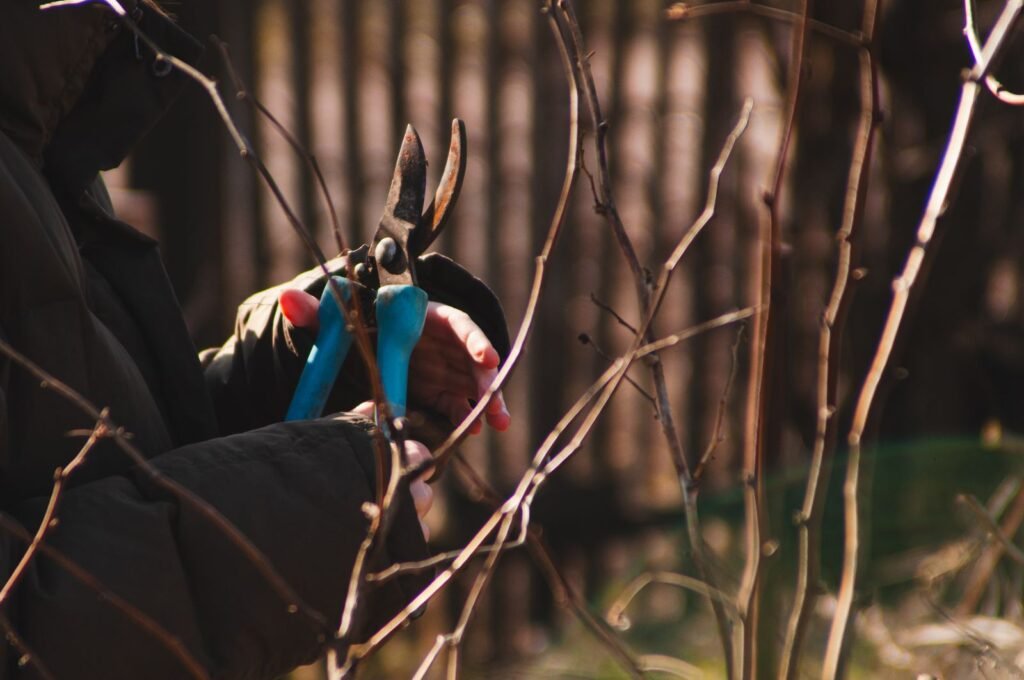
- Perennials with diseased foliage, such as peonies, bee balm and phlox with powdery mildew
- Hostas and daylilies once the leaves turn to mush, which slugs love to hide under
- Iris leaves, to about 6 inches, to reduce iris borer eggs
Leave standing
- Coneflowers, black-eyed Susans and sunflowers: finches and other birds eat the seeds all winter
- Ornamental grasses: they look good in snow and protect their own crowns
- Hollow-stemmed plants, which shelter overwintering native bees
- Tender perennials in cold zones, like salvia and lavender, which survive better with their stems on
Unsure about a plant? Leave it until early spring. Cutting back late rarely hurts, but cutting back too early can expose a plant’s crown to cold.
Do not prune spring bloomers
Lilacs, forsythia, azaleas and most hydrangeas have already set next year’s flower buds. Prune them in fall and you cut off next spring’s flowers. Wait until right after they bloom.
Step 3: Use your leaves instead of bagging them
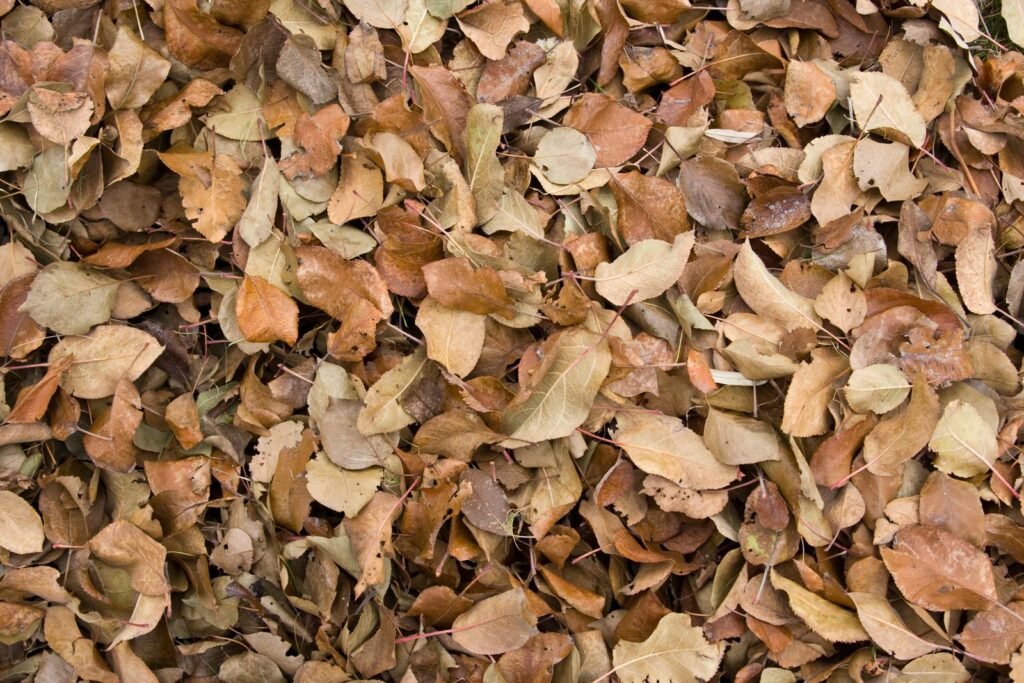
Fallen leaves are free fertilizer and mulch. Use them in three ways:
- Shred and mulch. Run over leaves with a mower a few times and spread 2 to 3 inches over beds. Whole leaves can mat down and smother small plants.
- Compost them. Mix about 3 parts dry leaves to 1 part green material such as kitchen scraps or grass clippings.
- Make leaf mold. Pile damp leaves in a wire bin or a bag with holes. In 6 to 12 months you get dark, crumbly soil conditioner.
Thick, whole leaves on the lawn should go, because they block light and can kill grass patches. Mowing them into the lawn in a thin layer is fine.
Step 4: Feed and protect the soil
Add compost
Spread 1 to 2 inches of compost over empty vegetable beds. Winter rain and freeze-thaw cycles work it in for you, so you will not need to dig.
Mulch after the ground cools
Add 2 to 3 inches of shredded leaves, straw or wood chips around perennials, shrubs and roses after the soil starts to cool, usually after the first few frosts. Mulching too early keeps the soil warm and invites mice to nest.
Top up raised beds
Raised bed soil settles by several inches each year. Fall is a good time to add a layer of compost, so it is ready to plant in spring. Our Soil & Mulch Calculator tells you how many bags you need.
Step 5: Protect tender plants
Cover late crops
Kale, spinach, lettuce and carrots keep going well into fall under a floating row cover, which gives a few degrees of frost protection, roughly 2 to 6°F (1 to 3°C) depending on its weight.
Bring tender plants indoors
Geraniums, hibiscus, citrus and other tender potted plants need to come in before nights drop below about 45 to 50°F (7 to 10°C). Our guide on how to bring plants indoors for winter covers debugging and placement.
Wrap young trees
Wrap the trunks of young fruit trees with a plastic tree guard or hardware cloth to stop rabbits and mice gnawing the bark under snow.
Step 6: Clean up water and tools
Drain hoses and irrigation
Disconnect hoses, drain them and store them coiled. Shut off outdoor faucets from inside if you can, and blow out or drain drip lines. A frozen hose bib can split and flood a wall. If you are planning a drip irrigation system for next year, now is a good time to sketch it.
Clean and sharpen tools
Scrape off soil, wipe blades with rubbing alcohol, sharpen pruners and give metal parts a light coat of oil. Clean tools last years longer and do not spread disease.
Empty and store pots
Terracotta and ceramic pots can crack when wet soil freezes. Empty them, brush them out and store them upside down or indoors.
Step 7: Plan for spring
Take photos of your beds and write down what worked, what struggled and where each crop grew. That record makes crop rotation easy. Our free Garden Planner lets you sketch next year’s beds square by square.
The best tools for fall garden cleanup
Prices change often, so check the store for today's price.Fiskars Traditional Bypass Pruner (5/8 in.)
Clean cuts on perennials, spent stems and small branches, with a steel blade that is easy to sharpen. Bypass pruners slice like scissors, which is kinder to living stems than anvil types.
- Sharp steel blade
- Cuts stems up to 5/8 in.
- Lightweight and inexpensive
- Downside: Not for thick branches
- Downside: Blade needs occasional sharpening
How to use it: Wipe the blade with rubbing alcohol between diseased plants and oil it before storing for winter.
Compare stores — match the model, size, seller and delivery cost.
Search links show store results, not confirmed offers. Prices and availability must be checked at the store.
Agfabric Floating Row Cover (0.9 oz)
A light fabric that lets in light, air and rain but keeps late crops a few degrees warmer on frosty nights, so you can keep harvesting greens for weeks longer.
- Lightweight, lies directly on plants
- Lets water through
- Comes in several sizes
- Downside: Needs pins or rocks to hold it down in wind
How to use it: Drape it over crops or hoops in the late afternoon before a frost and weigh the edges down.
Compare stores — match the model, size, seller and delivery cost.
Search links show store results, not confirmed offers. Prices and availability must be checked at the store.
Miracle-Gro Single Chamber Compost Tumbler (28 gal)
A closed, turning drum keeps pests out and makes mixing leaves and kitchen scraps easy, so fall debris turns into compost faster than in an open pile.
- Easy to turn
- Keeps animals out
- Good size for a small yard
- Downside: Fills quickly in peak leaf season
- Downside: Needs assembly
How to use it: Add about 3 parts dry leaves to 1 part kitchen scraps and turn it every few days.
Compare stores — match the model, size, seller and delivery cost.
Search links show store results, not confirmed offers. Prices and availability must be checked at the store.
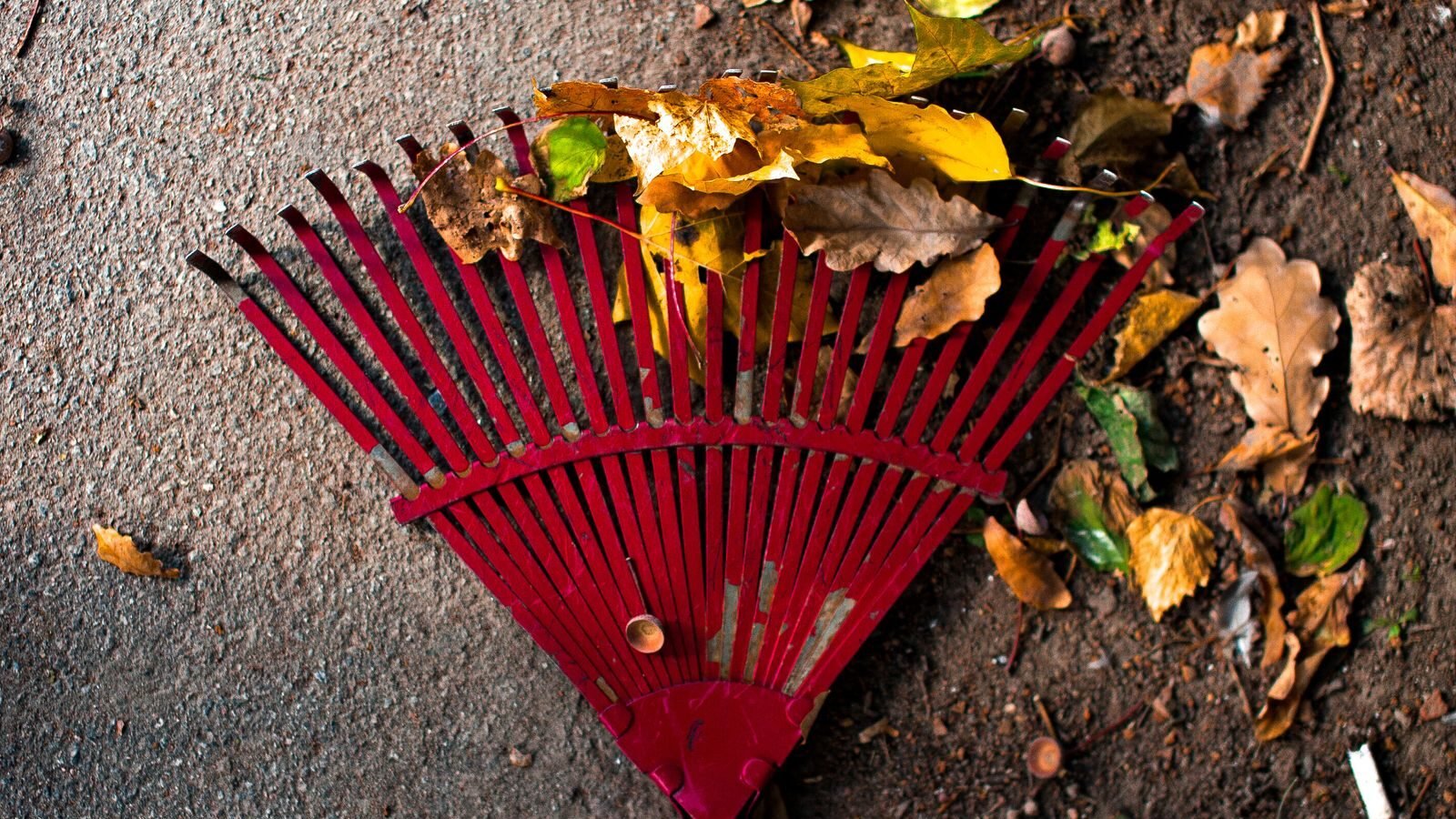
Leaf rake (24 to 30 in. wide)
A wide rake moves leaves off the lawn and onto beds or the compost pile quickly without tearing up grass.
- Covers ground fast
- Light and simple
- Inexpensive
- Downside: Plastic tines can snap in cold weather
How to use it: Rake leaves onto a tarp and drag them to beds or the compost, rather than lifting armloads.
Compare stores — match the model, size, seller and delivery cost.
Search links show store results, not confirmed offers. Prices and availability must be checked at the store.
Kraft paper lawn and leaf bags (30 gal)
Paper bags hold leaves for leaf mold or curbside yard-waste pickup and break down naturally, unlike plastic.
- Compostable
- Stand up on their own
- Accepted by most yard-waste programs
- Downside: Can tear if soaked
How to use it: Fill with damp, shredded leaves, poke a few holes and leave them behind the shed to become leaf mold.
Compare stores — match the model, size, seller and delivery cost.
Search links show store results, not confirmed offers. Prices and availability must be checked at the store.
FAQ
Should I clean up my garden in the fall or spring?
Do a light fall cleanup: remove diseased plants and spent vegetables, and protect the soil. Leave healthy perennial seed heads, grasses and hollow stems for birds and beneficial insects, and tidy those in early spring.
Should I cut back perennials in the fall?
Only some. Cut back perennials with diseased or mushy foliage, like peonies with mildew and hostas. Leave coneflowers, black-eyed Susans, ornamental grasses and tender perennials standing until spring.
Is it OK to leave leaves on garden beds over winter?
Yes, especially if you shred them first. A 2 to 3 inch layer of shredded leaves protects soil, feeds earthworms and breaks down by spring. Whole, thick layers can mat down, so keep them away from the crowns of small plants.
When should I put mulch down for winter?
After the ground starts to cool, usually after the first few frosts. Mulching too early keeps the soil warm, which can delay dormancy and attract mice looking for winter shelter.
Can I put diseased plants in my compost?
No. Most backyard compost does not get hot enough to kill fungal and bacterial diseases like blight or powdery mildew. Put diseased plants in the trash or your city yard-waste bin.