The most common reason for a snake plant drooping is overwatering and root rot: soft, mushy leaves at the base and damp soil are the giveaway. Thin, wrinkled leaves on bone-dry soil mean it is thirsty. Let the soil dry completely between waterings, roughly every 2 to 3 weeks in summer and every 4 to 6 weeks in winter.
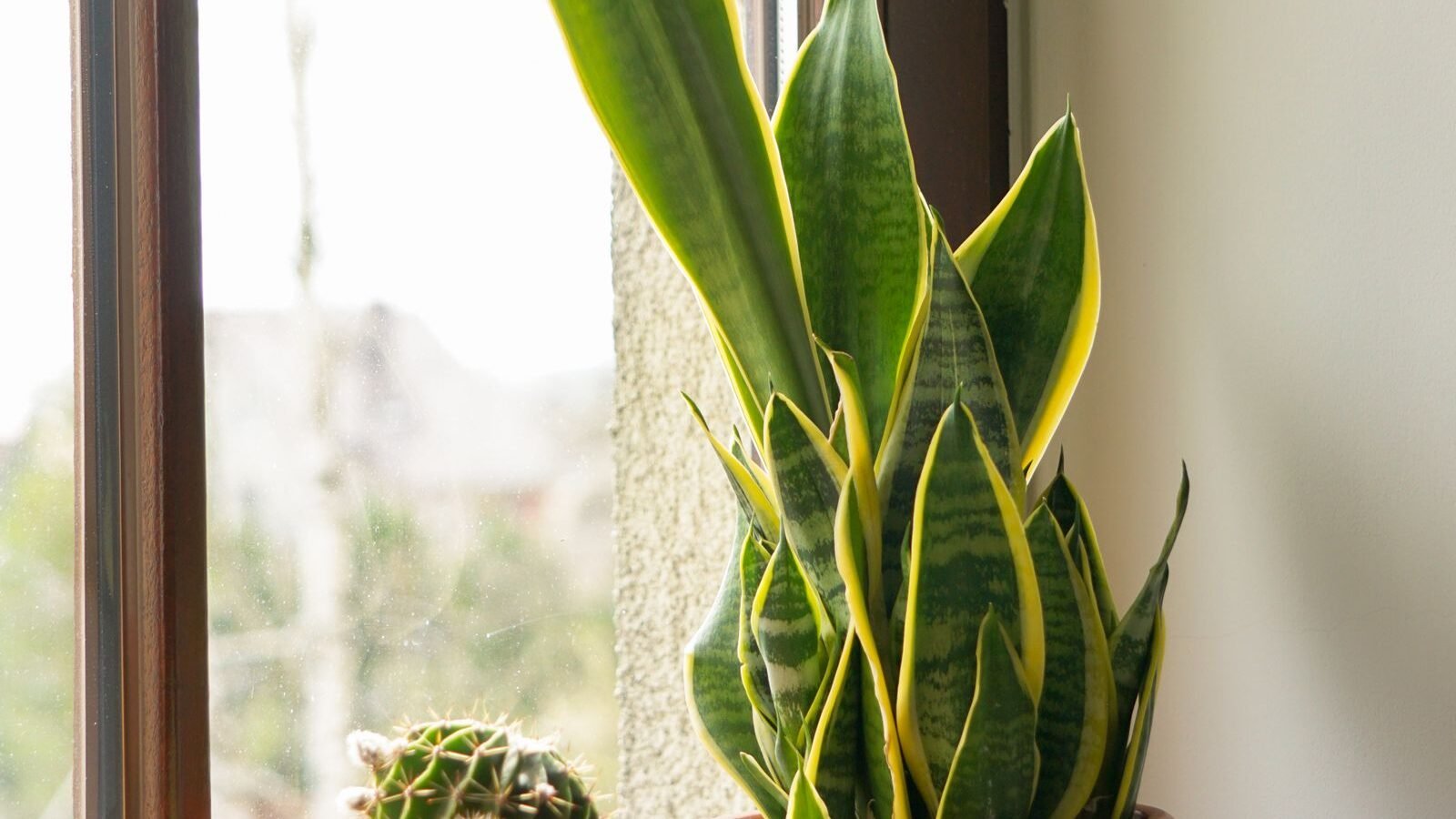
Snake plants are famous for being hard to kill, so a snake plant drooping can feel like a personal insult. When those stiff, sword-like leaves lean, fold or flop over the pot, something is off.
There are seven usual causes, and most are fixable. One catch: a creased leaf will not stand up again, so the goal is to fix the cause and protect new growth.
First, do the two-minute check
- Push a finger or moisture meter deep into the soil. Wet, moist or bone dry?
- Squeeze a drooping leaf near the base. Firm, mushy, or thin and wrinkled?
- Smell the soil. Sour or rotten means root rot.
- Look at the leaf shape. Pale and stretched, or creased in one spot?
Not sure what you are seeing? Our free Plant Doctor matches symptoms to causes in a few taps.
1. Overwatering and root rot
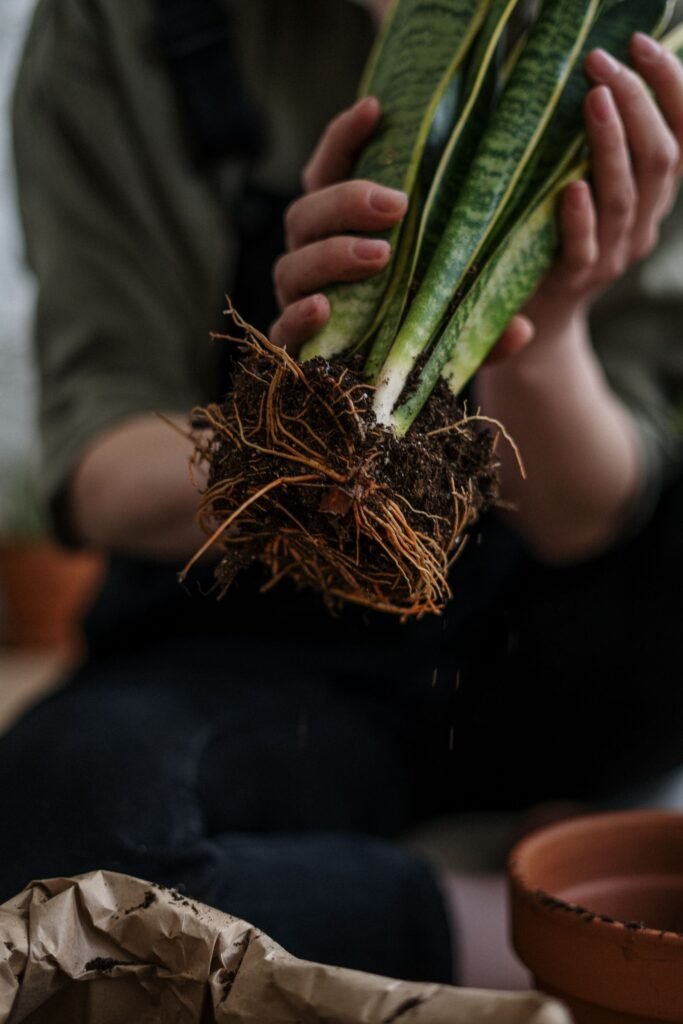
What it looks like: leaves that droop and feel soft or squishy near the soil line, yellowing from the base, mushy brown patches, a sour smell and soil still damp a week after watering. Tiny flies are another clue (see our fungus gnats guide).
Why it happens: snake plants come from dry parts of West Africa and store water in their thick leaves and rhizomes. In soggy soil, roots run out of oxygen and rot, and rotten roots cannot support the leaves.
The fix: stop watering and slide the plant out. Firm, pale or orange roots are healthy; brown, mushy roots that pull apart are rotten. If you find rot, follow the rescue steps below.
Do not water a drooping snake plant until you have checked the soil. Overwatering looks a lot like thirst, and a “rescue drink” is often what finishes the plant off.
2. Underwatering
What it looks like: thin, wrinkled leaves that curl lengthwise, sometimes with crispy tips. The soil is bone dry and may have shrunk away from the pot.
Why it happens: snake plants are drought-tolerant, not drought-proof. After many weeks without water, the leaves use up their stored moisture and lose the pressure that keeps them stiff.
The fix: water slowly until it runs from the drainage hole, then empty the saucer. If water runs straight through, soak the pot in a bowl of water for 20 to 30 minutes and drain.
3. Not enough light (etiolation)
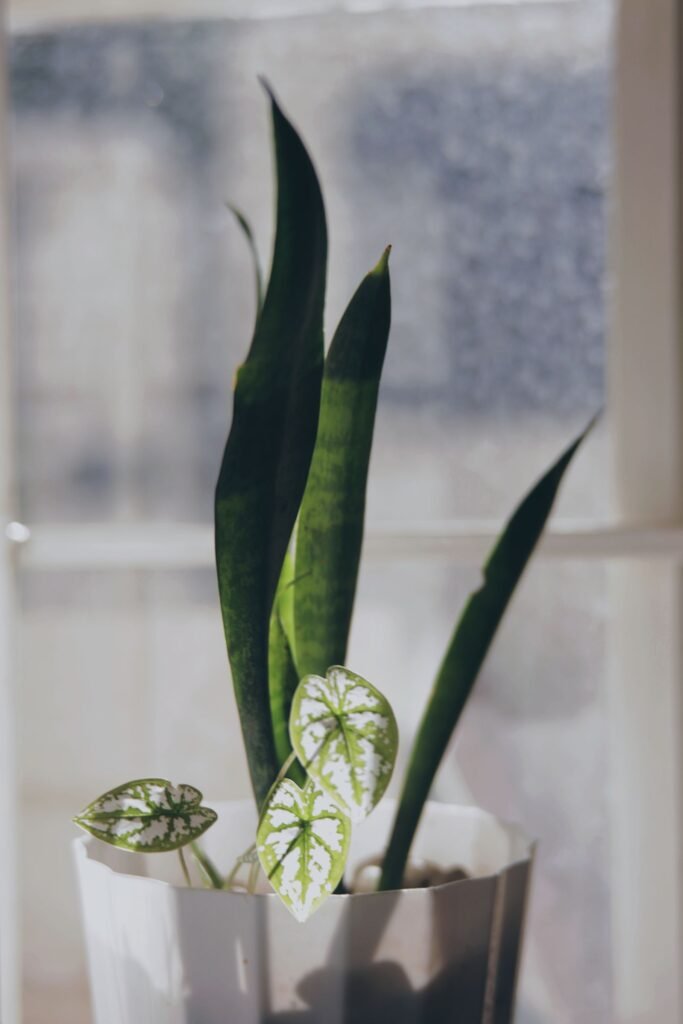
What it looks like: long, narrow, pale new leaves that flop or lean toward the window.
Why it happens: snake plants tolerate low light but do not grow well in it. They stretch toward the light, and stretched leaves are too weak to stand.
The fix: move it to bright, indirect light within a few feet of an east or west window, or add a grow light. Trim the worst stretched leaves or use them for cuttings.
4. Cold damage
What it looks like: leaves that collapse after a cold night, with translucent or mushy patches that later turn brown.
Why it happens: snake plants grow best at 60 to 85°F (16 to 29°C) and are damaged below about 50°F (10°C). Frost kills the tissue. Outdoors, they only live in the ground year-round in USDA zones 10 to 12.
The fix: move the plant away from cold glass, doors and drafts, and cut mushy leaves off at the soil line. Bring patio plants in before nights drop below 50°F, which in most of the US, UK and Canada means now. In Australia it is spring, so plants can go outside once nights stay above 50°F.
5. Rootbound or the wrong pot size
What it looks like: roots poking out of the drainage hole and water running straight through, or a small plant in a huge pot that stays wet.
Why it happens: snake plants like a snug pot, but after several years the rhizomes leave little soil to hold water, so the plant dries out too fast. An oversized pot holds wet soil around few roots, causing rot.
The fix: repot in spring or early summer into a pot only 1 to 2 inches wider than the root ball, with a drainage hole. Or divide an overgrown clump.
6. Wrong soil
What it looks like: dense potting mix or garden soil that stays wet and compacts into a hard block.
Why it happens: regular potting soil holds too much water for a succulent.
The fix: repot into cactus and succulent mix, or regular potting mix blended half and half with perlite or pumice.
7. Physical damage or top-heavy leaves
What it looks like: one or two leaves bent at a single crease while the rest look healthy, or very tall leaves leaning under their own weight.
Why it happens: a bump from a pet, a vacuum or moving day can crease a leaf for good.
The fix: cut creased leaves off at the soil line with clean snips, or turn them into cuttings. Support tall, leaning leaves with a stake or loose plant ring while you improve the light.
How to save a snake plant with root rot
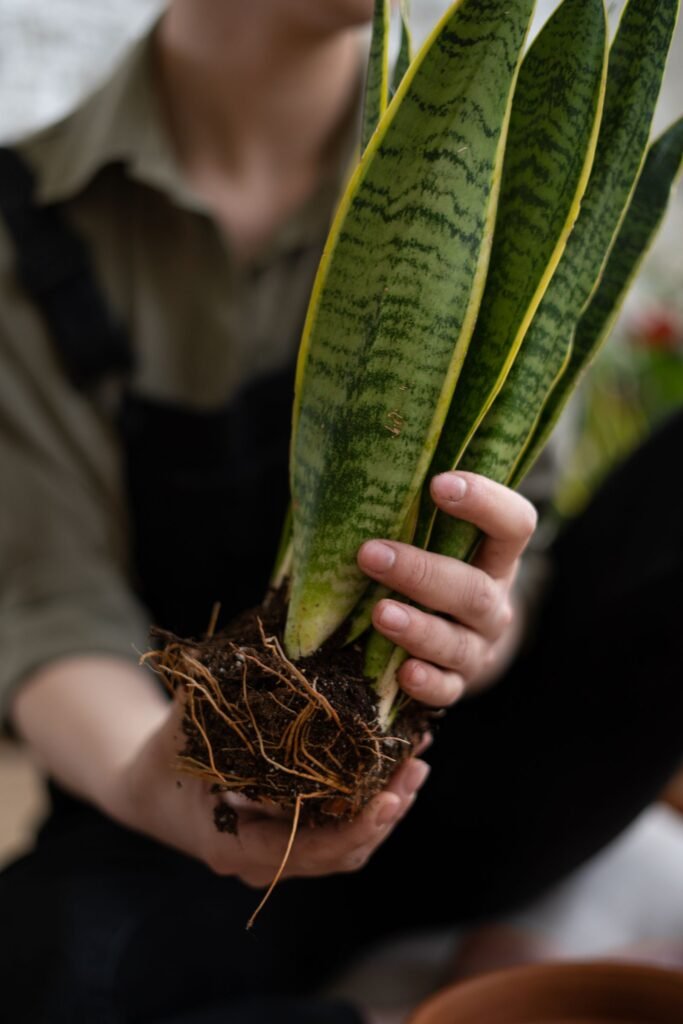
- Unpot it and rinse off the old soil so you can see every root.
- Cut away everything soft: mushy roots, rotten rhizome and leaves that are soft at the base. Cut back to firm tissue and wipe the blades with rubbing alcohol between cuts.
- Let it dry on newspaper in bright shade for 1 to 2 days so the cuts callus.
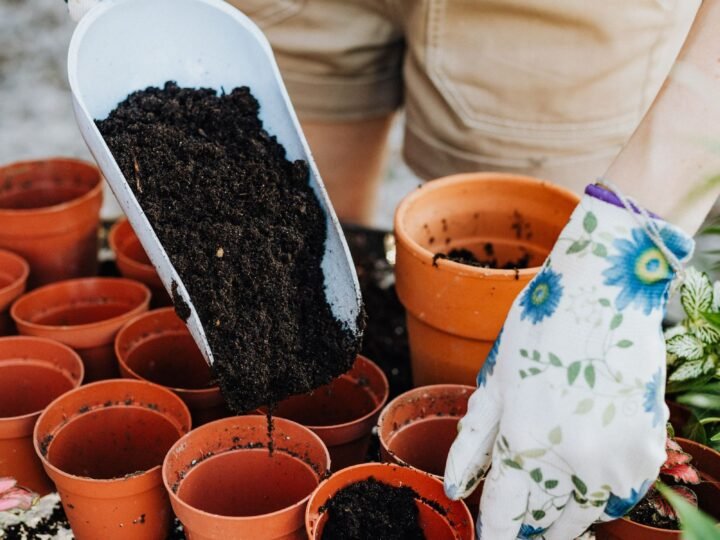
- Repot into fresh cactus mix in a clean pot with a drainage hole, just big enough for the remaining roots.
- Wait a week, then water lightly. Keep it in bright, indirect light at 65 to 80°F.
- Take backup cuttings from firm leaves if most roots were rotten.
How to propagate snake plant leaf cuttings
- Choose firm, green leaves with no soft spots.
- Cut them into 3 to 4 inch sections and mark the bottom end (upside-down sections will not root).
- Let the cuts callus for 2 to 3 days.
- Plant the bottom end an inch deep in barely moist cactus mix, or stand it in an inch of water and change it weekly. Rooting hormone is optional.
- Be patient. Roots usually appear in 4 to 8 weeks, and new pups take a few months more.
Variegated snake plants do not come true from leaf cuttings. Yellow-edged types like ‘Laurentii’ usually produce plain green pups. To keep the variegation, divide the plant at the rhizome instead.
Snake plant drooping: symptom, cause and fix
| Symptom | Likely cause | Fix |
|---|---|---|
| Soft, mushy base, wet soil | Overwatering, root rot | Unpot, cut rot, repot in cactus mix |
| Thin, wrinkled leaves, dry soil | Underwatering | Soak well, then water when dry |
| Pale, long, floppy new leaves | Low light | Move to bright, indirect light |
| Sudden collapse, translucent patches | Cold below 50°F (10°C) | Move somewhere warm, trim damage |
| Roots out of the hole, dries fast | Rootbound | Repot 1 to 2 inches larger or divide |
| Soil wet for weeks | Wrong soil or pot too big | Cactus mix and a smaller pot |
| One leaf bent at a crease | Physical damage | Cut it off or use as cuttings |
Prevention: a watering schedule by season
Water by the soil, not the calendar: wait until it is dry all the way down, then water thoroughly. A rough indoor guide:
- Spring (March to May): every 2 to 3 weeks.
- Summer (June to August): every 2 to 3 weeks.
- Fall (September to November): every 3 to 4 weeks.
- Winter (December to February): every 4 to 6 weeks, less in a cool room.
In Australia, flip the months. If leaves are yellowing rather than drooping, our yellow leaves guide covers the other causes.
Pet note: the ASPCA lists snake plants as toxic to cats and dogs. The effects are usually mild: saponins can cause nausea, vomiting and diarrhea if chewed.
What helps a drooping snake plant
Prices change often, so check the store for today's price.Espoma Organic Cactus Mix (4 qt)
Fast-draining soil is the best protection against root rot. Made for cacti and succulents, it dries out between waterings, exactly what a snake plant wants.
- Drains quickly
- Organic and ready to use
- Small bags suit houseplants
- Downside: Small bags add up for big plants
How to use it: Use it straight from the bag when repotting, or add extra perlite for large pots.
Compare stores — match the model, size, seller and delivery cost.
Search links show store results, not confirmed offers. Prices and availability must be checked at the store.
Terracotta pot with drainage hole and saucer (6 to 8 in.)
Clay breathes, so soil dries faster than in plastic, and the weight keeps tall snake plants from tipping.
- Soil dries evenly
- Drainage hole prevents soggy roots
- Heavy, stable base
- Downside: Can crack if dropped or frozen
How to use it: Choose one only 1 to 2 inches wider than the root ball and empty the saucer after watering.
Compare stores — match the model, size, seller and delivery cost.
Search links show store results, not confirmed offers. Prices and availability must be checked at the store.
XLUX T10 Soil Moisture Meter
The long probe tells you whether the bottom of the pot is still wet, which is where root rot starts.
- Reads the root zone
- No batteries
- Inexpensive
- Downside: Gives a range, not an exact number
How to use it: Push it near the bottom of the pot and water only when it reads fully dry.
Compare stores — match the model, size, seller and delivery cost.
Search links show store results, not confirmed offers. Prices and availability must be checked at the store.
Fiskars Micro-Tip Pruning Snips
Narrow, sharp blades reach into a crowded clump to remove a rotten leaf cleanly at the soil line.
- Precise narrow tip
- Spring-action grip
- Easy to clean
- Downside: Not for thick woody stems
How to use it: Wipe the blades with rubbing alcohol before and after cutting rotten tissue.
Compare stores — match the model, size, seller and delivery cost.
Search links show store results, not confirmed offers. Prices and availability must be checked at the store.
Garden Safe TakeRoot Rooting Hormone (2 oz)
A rooting powder that can help leaf cuttings root faster and more evenly when you are rescuing a plant from rot.
- Easy powder dip
- A jar lasts years
- Works on many cuttings
- Downside: Optional, since snake plants root on their own
How to use it: Dip the callused bottom end, tap off the excess and plant in barely moist cactus mix.
Compare stores — match the model, size, seller and delivery cost.
Search links show store results, not confirmed offers. Prices and availability must be checked at the store.
FAQ
How do you fix a droopy snake plant?
Find the cause first. Wet soil and soft leaves mean overwatering: unpot, cut away rot and repot in dry cactus mix. Dry soil and wrinkled leaves mean it needs a good soak. Pale, stretched leaves need more light.
Can a drooping snake plant recover?
The plant usually can, but leaves that have folded or creased will not stand back up. Fix the cause, remove damaged leaves and new growth will come up straight.
What does an overwatered snake plant look like?
Soft, mushy leaves, yellowing from the base, translucent or brown patches and soil that stays wet.
How often should I water a snake plant?
Only when the soil is completely dry: roughly every 2 to 3 weeks in spring and summer, and every 4 to 6 weeks in winter.